Melissa
Martin
Winnipeg Free Press
EDITOR’S NOTE: This article was originally published in the Winnipeg Free Press on July 13, 2024. It is as originally published and reproduced with permission. This is part two of a two part series.
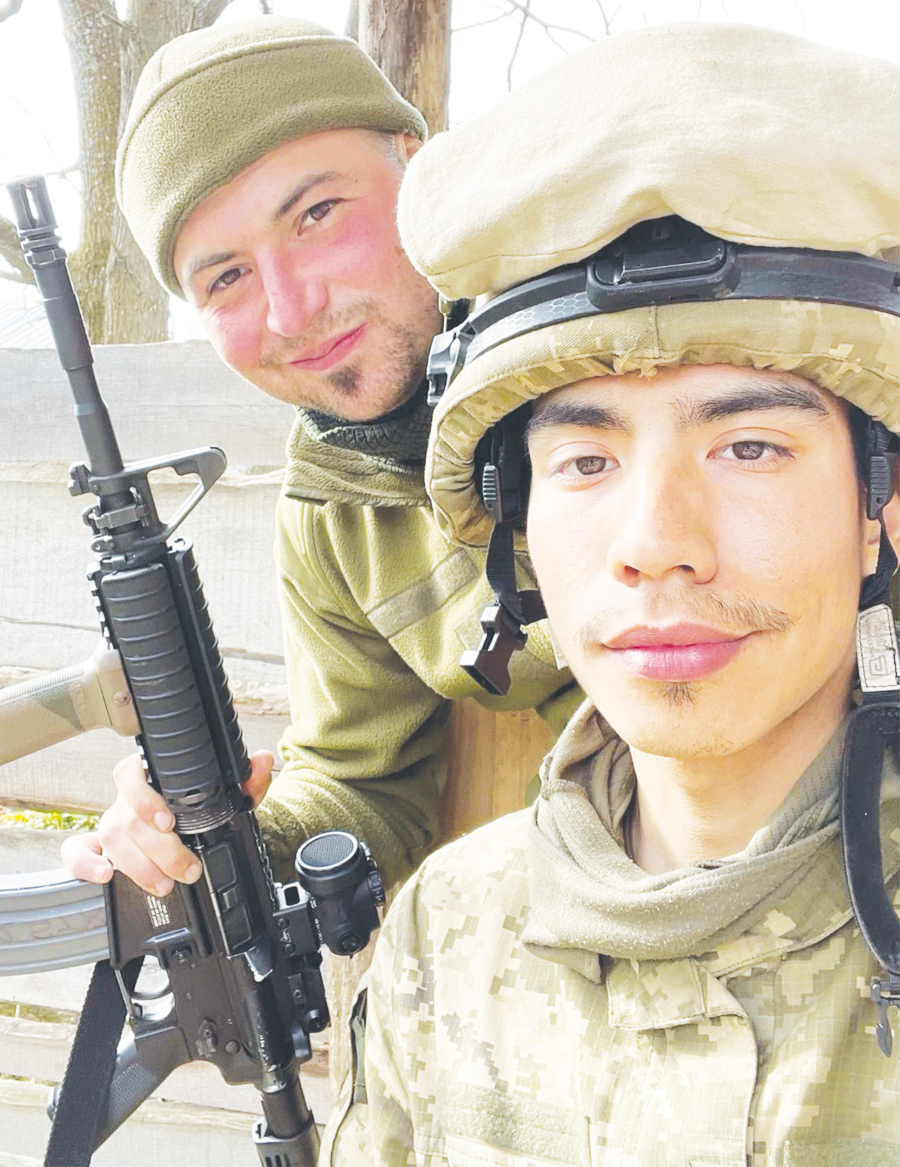
In the months after the close call in the Kharkiv region, Luka’s injuries healed and he returned to the front. He got a medal from the Ukrainian military. Austin, who had saved his life, did not, which the guys teased him about sometimes. Austin hated that, they laugh.
“He didn’t stand out and shout about himself,” Craig says. “He never had an ego about it.”
And Luka, who felt a debt he both wanted to repay — “Croatians are like, ‘I don’t want to owe you money, I don’t want to owe you a favour,’” he says — and dreaded ever having to, made a point of joining any mission Austin went on, just in case.
On May 24, 2023, one year to the day since Austin saved his life, Luka called his friend.
“The first thing (Austin) said when he picked up was, ‘I was about to call you also today,’” Luka says. “I was like, ‘why? You saved my ass, you’re not owing me any calls.’”
At that time, Austin was not with the legion. He’d left Ukraine in the fall of 2022, travelling back to Canada to rest. (Unlike Ukrainian soldiers, foreign fighters were able to break their contracts with the military and leave at any time, though Ukraine recently passed a law requiring them to serve at least six months before they quit.) His family held a feast to welcome him back, where an Opaskwayak band councillor gave a speech about how proud they were of his service, and pledged an even bigger feast the next time he came home.
