

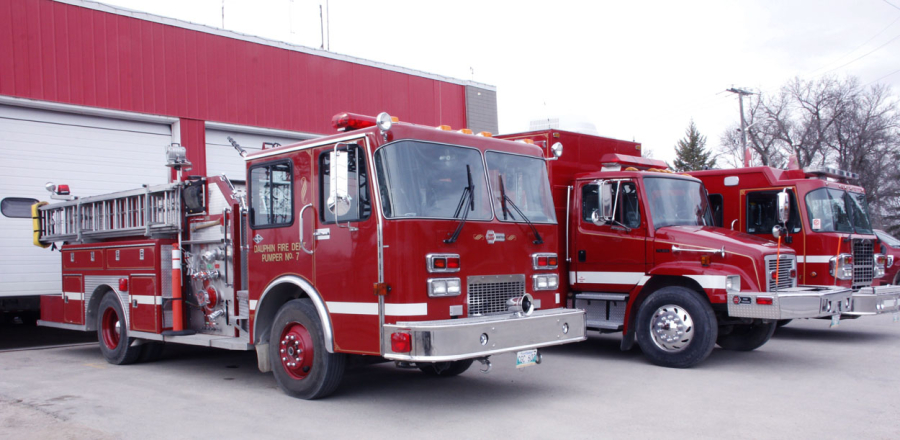
Winter is nearly upon us and, whether through festive holiday lighting, fireplaces, electrical heating units or cooking for family gatherings, the winter months frequently provide opportunity for exposure to fire hazards.
This week is the Canada Safety Council’s National Home Fire Safety Week, centering on the theme of being proactive and freeze out winter fires.
“One of the big things that we go to on a regular basis with the Dauphin Fire Department are those vehicle fires from your extension cords,” Dauphin fire chief Cam Abrey said. “The continual use of them, people folding them up and crimping the wires and throwing them into the back of their vehicle and pulling them out. We have to watch that we replace those cords on a regular basis. Make sure that you’re checking them, that there’s no bare wires.”
With everyone preparing for Christmas and decorating their homes, inside and out, using CSA approved decorations in a proper application, Abrey said. Inspect those devices for bare or frayed wires and ensure you are not overloading circuits.
“We don’t want to be Clark Griswold of Christmas Vacation, overpowering the home of what it can actually handle,” Abrey said.
Symptoms of an overloaded circuit can include flickering or dimming lights, blown fuses, a tripping circuit breaker and a burning smell. Cooking can be a cause of fires at anytime of the year, but can be an even bigger concern through the holidays with extended family and other guests in the home, Abrey added.
“We’re cooking extra food, more than normal, so keeping an eye on your cooking is important. Don’t leave your cooking unattended,” he said. “It’s the same messages that we promote throughout the entire year.”
Finally, with the colder weather, home heating appliances deserve special attention, Abrey added.
“Whether you have electric heat or natural gas or you’re using wood heat, all of that can also have some incidents if you’re not doing regular inspections,” he said.
For fireplaces and other wood-burning appliances, ensure chimneys are cleaned on a regular basis, Abrey added. For electric and natural gas furnaces, regular maintenance performed by a qualified technician is a must.
“Also remember to have carbon monoxide detection in the home if you do have any kind of a fuel burning appliance,” Abrey said. “It’s more than just the fire safety, it’s people’s general safety that we’re concerned for.”
This heightened exposure to fire hazards during colder months unsurprisingly leads to more fatalities. According to Statistics Canada, between 2011 and 2020, the four highest average incidents of accidental fire-related fatalities by month occurred in January (210), March (195), February (180) and December (165). Additionally, residential properties accounted for 92 per cent of all unintentional fire-related fatalities in that same time period.
Avoid becoming a victim in your own home - ensure your residence is equipped with working tools including smoke alarms and a fire extinguisher, and ensure that you and your housemates have an established and practiced escape plan.
“Never forget that you want to plan and practice your home fire escape plans and make sure that your smoke alarms are actually working,” Abrey said. “And do have a functioning fire extinguisher in the home, as well.”
