

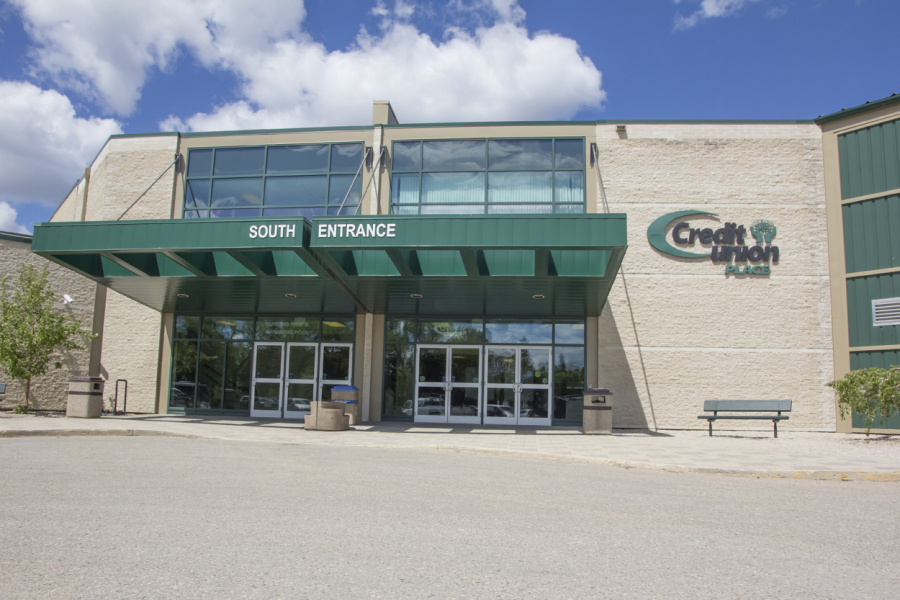
Dauphin city council has identified recreation as one of its priorities. And with discussions concerning the 2024 financial plan well underway, the City is hoping it’s partners at the Rural Municipality of Dauphin join them in addressing a longstanding funding shortfall to the system.
The Dauphin Joint Recreation Commission was formed in 1992 through an agreement, based on population, which called for 78 per cent of recreation funding to be provided by the City, with 22 per cent coming from the RM.
In 2017, the RM of Dauphin pulled out of the original agreement, which over the years, mayor David Bosiak said, has resulted in about a cumulative $650,000 shortfall in recreation funding.
“We’re talking to them and we’re inviting them to revisit the original funding agreement when the DJRC was formed in 1992. We’re just asking them to consider that,” Bosiak said.
That is not to say the RM has not contributed to recreation over the years. Intially the council of the day set the contribution at $250,000 and it has increased annually with cost of living adjustments with this year’s funding expected to be around $300,000.
RM of Dauphin reeve Ernie Sirski said recreation is a topic of discussion at his council table and it is a subject the RM takes seriously.
“Recreation is important, not just for the City of Dauphin, it’s important to our citizens, as well, and that’s why we’ve continued to fund them. It’s not at the level that it was in 2017, but we’ve continued to fund it and we’ve continued to allow for inflation in that funding so it’s not as if we’ve been stagnant in our total funding,” Sirski said.
“We still contribute to the capital x, to the repairs and maintenance. That’s a nonissue. It’s the operating procedures that we’re talking about. “What it boils down to is, is this where we stay? If no, then, where are we going to go going forward? That’s the issue and we haven’t come to that conclusion yet.”
The RM has requested information on Dauphin Recreation Services operations and will take the time needed to digest that information. The cutback was put in place by a previous council, Sirski said, and the current council is working to understand why that decision was made.
As a result, he is unsure of when RM council will make a final decision on the City’s request.
“It’s not going to happen this year. We’ve got one more meeting this year and we’re going through all the information that we’ve been provided. It’s such a big file that we have to give it due diligence,” he said. “What we’re looking at is usage. We’re looking at who uses the facility and we’re trying to get a feel of all aspects of the organization.”
Even so there will be around a $100,000 shortfall in programming money in the DRS’ nearly $2 million budget this year, Bosiak said, adding he would like to see the RM reconsider its level of participation in the system, hopefully getting back to the original agreement, which would ease the burden on urban taxpayers.
“Because, in addition to contributing our 78 per cent of operating capital based on the rec commission’s annual budgets, we’ve also, since 2017, made up a majority of that RM shortfall,” he said. “It’s really crimped the rec commission’s ability to operate the way they’d like to. To provide recreation services for all citizens and to provide a lot of free or easily accessible recreation opportunities for our citizens.”
As the community’s recreation director at the time of the DJRC’s formation, and having worked 11 years as a private recreation consultant, Bosiak confidently calls the existing agreement “very, very fair.”
“We were viewed by many in the province and the provincial government at the time, as the best recreation commission in Manitoba, because of that relationship,” he said. “I saw how many communities constantly struggled when they were trying to negotiate municipal partnerships. Some based on taxation, some based on land, some based on other agreements that were very, very difficult to determine. It caused annual angst and discussion. So we had a great situation.”
